

The Case for Timeless, High-Quality Wardrobe Essentials
The conversation around fast fashion vs slow fashion has never been more relevant. As trends accelerate and clothing becomes cheaper and more disposable, many women are beginning to question what they are really buying — and what it says about their wardrobe.
At its core, fashion has always been about expression. But in today’s world, it has become increasingly dominated by fast fashion brands, mass production, and short-lived trends designed to be worn a handful of times before being replaced.
In contrast, slow fashion focuses on something very different: quality clothing, timeless design, ethical production, and long-lasting wardrobe essentials.
At No2moro, we stand firmly on the side of slow fashion — because we believe that quality always wins. To learn more about what No2moro stands for and what we built our brand on, check out our first blog - Designed in Ireland. Made to Last. The No2moro Story
What Is Fast Fashion?
Fast fashion refers to clothing that is designed quickly, produced cheaply, and sold at high volume to keep up with constantly changing trends. It is built around speed, not longevity.
The fast fashion model relies on:
- Rapid trend replication from catwalk to store
- Low-cost materials and production
- High-volume manufacturing
- Disposable clothing culture
- Constant new collections and micro-trends
On the surface, it feels exciting — new styles every week, low prices, and instant gratification. But the reality behind fast fashion is far less appealing.
The Problem with Fast Fashion
While fast fashion may seem convenient, it comes at a cost — both to your wardrobe and to the wider world.
1. Poor Quality Clothing
Fast fashion garments are typically made with low-grade fabrics and minimal construction quality. This means:
- Clothes lose shape quickly
- Fabrics fade after a few washes
- Stitching and seams fail early
- Items are rarely designed to last
What feels like a bargain often becomes a one-time wear purchase.
2. Disposable Wardrobes
Fast fashion encourages a cycle of constant buying and discarding. Clothing is treated as temporary, not valuable. This leads to:
- Overfilled wardrobes
- Items worn once or twice
- Constant “nothing to wear” feeling
- Wasteful consumption habits
Instead of building a wardrobe, it creates clutter.
3. Environmental Impact
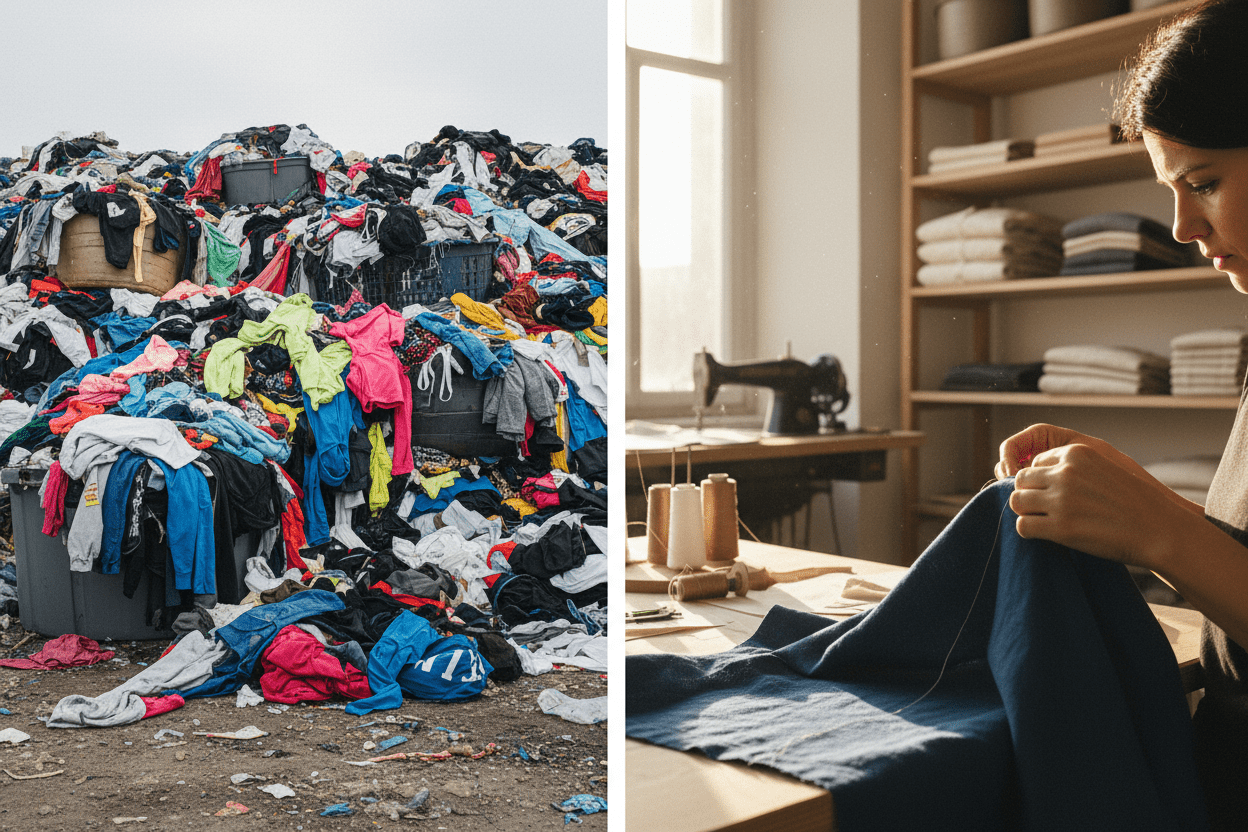
One of the biggest issues with fast fashion is its environmental footprint. The industry is known for:
- Excessive textile waste
- High water consumption
- Chemical-heavy production processes
- Overproduction and landfill contribution
When clothing is treated as disposable, the planet pays the price.
4. Trend Fatigue
Fast fashion thrives on rapidly changing trends — but this creates a constant pressure to keep up. What was “in” last month is already outdated today.
This leads to:
- Short-lived satisfaction
- Lack of personal style consistency
- A wardrobe that never feels complete
What Is Slow Fashion?
Slow fashion is the opposite approach. It prioritises:
- High-quality materials
- Timeless design
- Durable construction
- Ethical production
- Seasonless wearability
Rather than producing more, it focuses on producing better.
Slow fashion is not about buying more clothes — it’s about buying the right clothes.
Why Quality Always Wins
When it comes to building a wardrobe that lasts, quality clothing always outperforms fast fashion.
Here’s why:
1. Longevity Over Trends
A well-made garment doesn’t expire with a trend cycle. It remains relevant season after season. Whether fashion shifts towards skinny, straight, or wide leg silhouettes, timeless pieces still work.
2. Better Cost Per Wear
While fast fashion seems cheaper upfront, it often fails quickly. A high-quality piece may cost more initially, but worn repeatedly over years, it becomes significantly more cost-effective.
This is the difference between:
- a disposable purchase
and - a long-term wardrobe investment
3. Better Fit and Feel
Quality garments are designed with attention to detail:
- Better tailoring
- Superior fabrics
- More thoughtful design
- Improved comfort and fit
When clothing fits well and feels good, you naturally wear it more.
4. A More Intentional Wardrobe
Slow fashion encourages you to build a wardrobe with purpose. Instead of impulse buying, you invest in pieces that:
- Work together
- Last longer
- Reflect your personal style
- Reduce decision fatigue
No2moro: Built on Slow Fashion Principles
At No2moro, we were founded on a simple idea:
to create foundational wardrobe essentials that last.
We don’t design for one season. We design for years.
Our collections focus on:
- Timeless silhouettes
- Premium fabrics
- Reliable fits
- Consistent quality production
- Everyday versatility
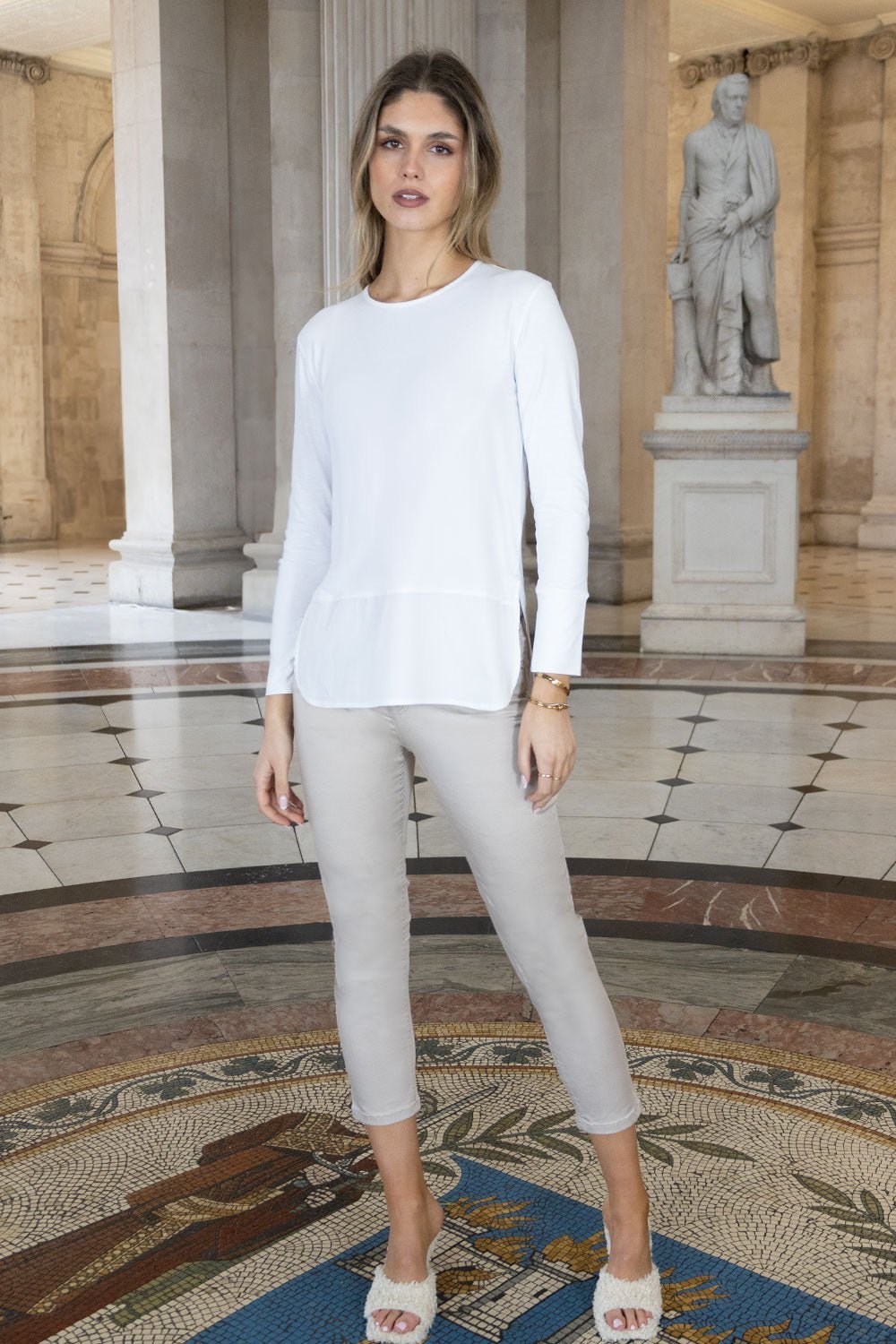
From our original Glide layering shirts like Anna and Fenty, to our cotton shirts, tank tops, and signature denim styles like Juliet and Sophie, every piece is designed to be worn again and again — not replaced.
We believe in quality over quantity, always.
Fast Fashion Is a Disposable Purchase — Quality Is an Investment
Fast fashion is a one-time purchase culture. It is clothing bought for a moment — a night out, a trend, a quick fix — that rarely survives beyond a handful of wears.
But quality fashion is different.
When you invest in well-made clothing, you are not just buying an item. You are investing in:
- Your wardrobe
- Your confidence
- Your personal style
- Your long-term value
What you wear represents you. And increasingly, fast fashion represents disposability — not style.
Where to Start: Building a Better Wardrobe
If you are beginning to move away from fast fashion and toward a more intentional wardrobe, the best place to start is with your foundations.
We recommend reading our blog:
“Timeless Fashion Pieces That Never Go Out of Style”
This will guide you through the core essentials every wardrobe should be built on — from layering tops and cotton shirts to timeless denim and everyday basics.
Start small. Build slowly. Replace fast fashion habits with long-term thinking.
Because it is never too late to start fresh.
Final Thoughts: Choose Better, Wear Better, Live Better
The shift from fast fashion to slow fashion is not about perfection — it is about awareness and better choices.
Fast fashion offers short-term satisfaction, but slow fashion offers long-term value.
At the end of the day:
- Fast fashion is disposable
- Quality fashion is enduring
- Trends fade, but style remains
At No2moro, we believe that quality always wins — not just in how your clothes look, but in how they make you feel, how long they last, and the impact they leave behind.